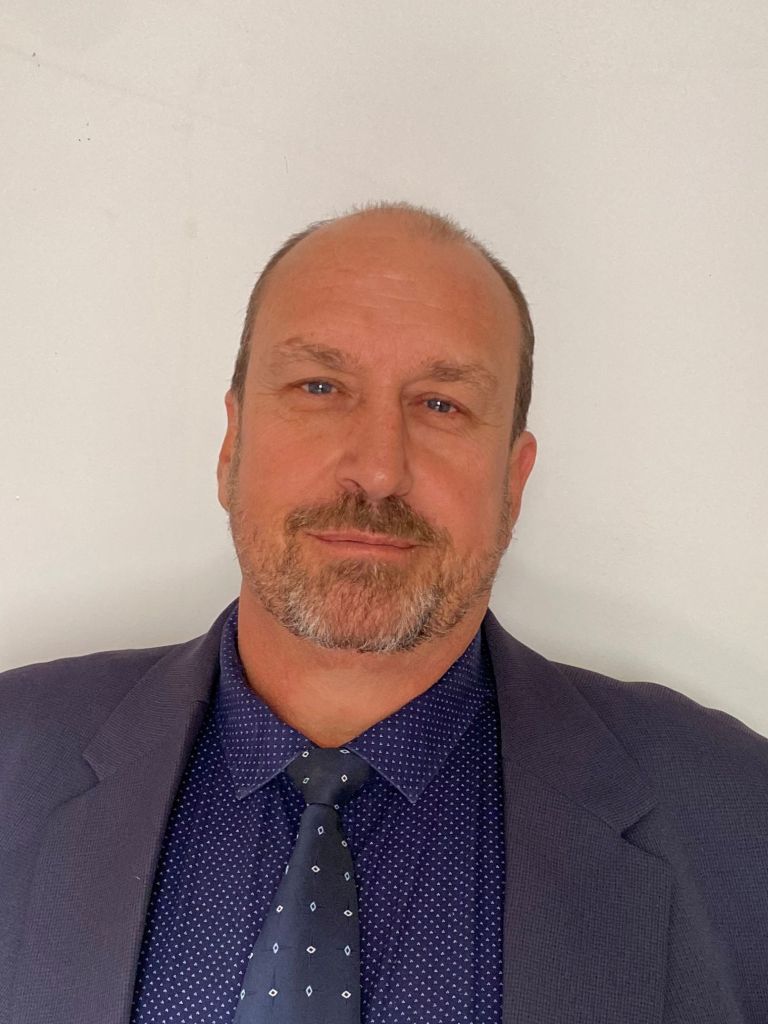

Growing older is inevitable, but how we approach it can make a significant difference to the quality of those later years, says Rand Aid CEO Gert Coetzee.
Gert believes older people can be more intentional about how they structure their lives, rather than simply allowing retirement to become a period of increasing inactivity and isolation.
“Growing older is something as inevitable as death and taxes,” he says. “Fortunately, unlike death and taxes, we have to some extent the ability to structure it in such a way as to get the most from it.”
He identifies five areas that can help older people make the most of their later years:
- Routine: Retirement village life should not be seen as a perpetual holiday. A regular wake-up time and a few planned activities or chores can give each day structure and provide a reason to get up and get dressed.
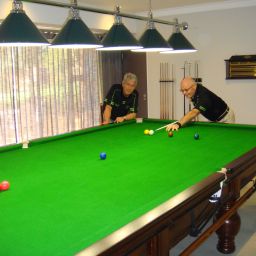
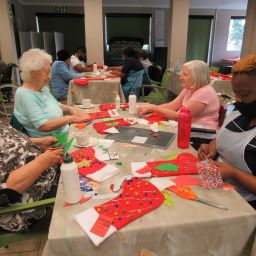
- Activities: Staying engaged in activities that challenge both the body and mind is important. “The older we get the more the adage of use it or lose it becomes a reality,” says Gert.
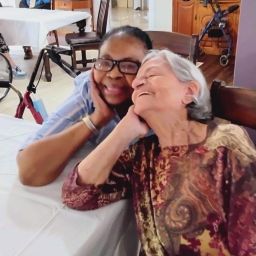
- Socialising: Isolation can happen gradually, without anyone consciously deciding to withdraw from others. Gert says maintaining social connections is vital and points to the Covid-19 pandemic as a stark reminder of the effects prolonged isolation can have on older people.
- Sustenance: Appetite can diminish as people become less active, while other age-related challenges may also result in people eating and drinking less. Gert stresses the importance of maintaining adequate fluid intake and balanced nutrition. Where a full meal is no longer appealing, supplements or meal replacements can help.
- Independence: Asking for help should not be viewed as a weakness. Gert says recognising limitations and accepting assistance when necessary can actually help people remain independent for longer.
“We all want to be as independent as possible for as long as possible,” he says. “The secret to staying independent for as long as possible, I have found, is to view the process as realistically as possible, understand your shortcomings and do not hesitate to ask for help or assistance.”
Rather than seeing support as a loss of independence, Gert says, it can be an important part of maintaining a fulfilling life within a community.