
INTERNATIONAL DAY OF OLDER PERSONS: OCTOBER 1
Growing older does not mean becoming invisible, powerless, dependent or irrelevant.
That is one of the strongest messages emerging from residents and staff at Rand Aid Association as the organisation marks the International Day of Older Persons on October 1.
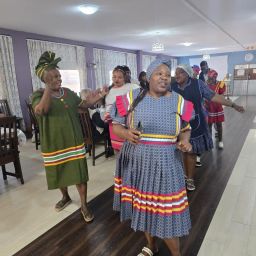
Rand Aid has four retirement villages and two care centres in the east of Johannesburg, where staff work alongside older people at different stages of later life.
For many, one of the biggest misconceptions about ageing is that older people inevitably become less capable and less interested in making their own decisions.
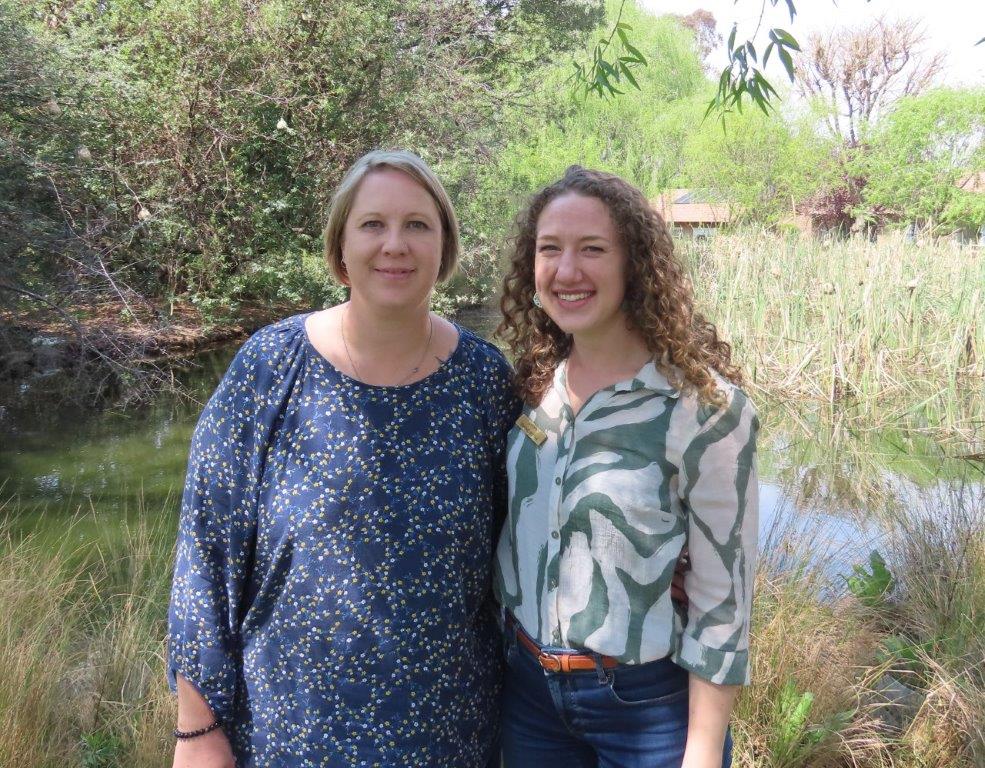
Karen Griessel, a social worker at Thornhill Manor, says her work and Master’s research into the lived experiences of older adults in a retirement village have shown her how important independence and choice remain as people age.
“Older people want to remain involved, active and capable for as long as possible,” she says.
They may need support, she says, but it should enable independence rather than unnecessarily replace it.
Ageing in place is also about more than the physical environment. Karen says older people need to feel safe and respected, while having opportunities to participate, build relationships and remain part of a community.
“Retirement does not mean that a person’s need for purpose disappears,” she says. Older adults continue to have interests, goals, responsibilities and aspirations.
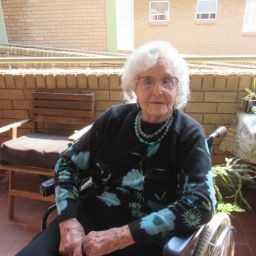
Ninety-three-year-old Thornhill Manor resident Joan Scott agrees that growing older should not be seen as a sign that life is winding down. She describes it as a new and exciting beginning, filled with new challenges. Age, she believes, should not mean fading into the background, but stepping into a fresh phase of life with energy and purpose.
Age does not mean irrelevance
Jenny Tonkin, manager of Inyoni Creek retirement village, agrees that older people are often underestimated.
Society can dismiss the wealth of knowledge, experience and life skills older people possess, she says, without taking the time to listen to what they have to offer.
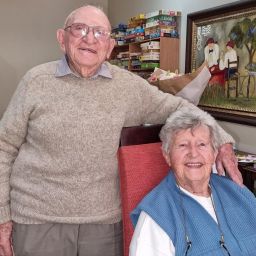
Inyoni Creek residents Yvonne (67) and Len Webb (72) challenge the idea that retirement marks the end of a person’s useful life.
Getting older and retiring can instead mean starting a new chapter, they say. Older people want to be included in activities, have fun and feel that they belong.
They also reject the stereotype that older people are no longer relevant or able to contribute.
Avy Hirschowitz, an Inyoni Creek resident who turns 86 on his next birthday, says most older people can remain fully engaged with the world.
They may become slower, have hearing difficulties or take longer to remember things, he says, but that does not mean they should be treated as though they are not present at social gatherings.
He also challenges the idea that older people cannot cope with modern technology or that they have outdated ideas.
“Younger people should realise that they could learn from older persons’ experience,” he says.
Thornhill Manor resident Mike Verburg (89) says older people should not be viewed with pity or reduced to conversations about their aches, pains and hospital visits. “My wish would be that we do not expect younger generations to feel sorry for us, as we have earned the right to become older and wiser,” he says.
Listen to older people
At the other end of the spectrum, older people may sometimes find themselves being spoken for rather than spoken to.
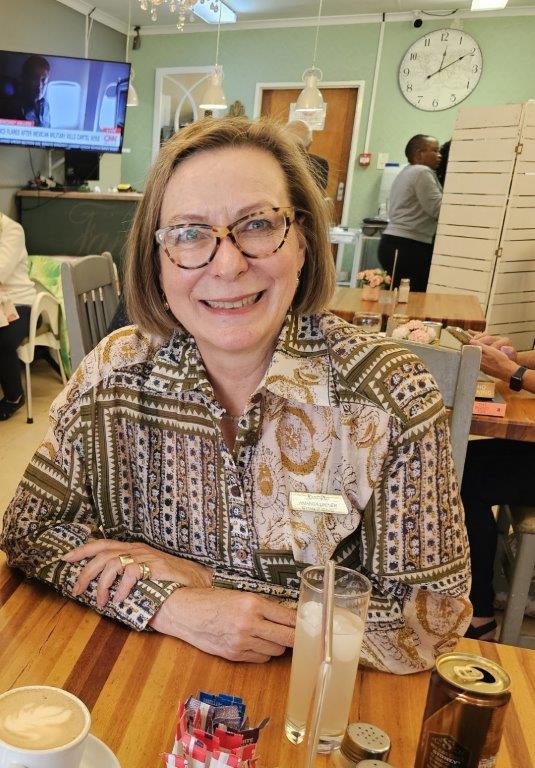
Amanda Diener, Rand Aid’s GM of commercial and compliance, says this particularly irritates her. She has seen older people accompanied by relatives or younger friends in restaurants and shops who are not asked what they want or what they would like to order.
“It feels as if they are not existing and not present,” she says.
Nadine Radford, a social worker at Ron Smith Care Centre, says respecting an older person means recognising their right to make choices, even when they live in residential care.
“An older person asking questions is not necessarily being difficult, and expressing a preference does not make someone demanding,” she says.
Residents remain experts on their own lives, Nadine says. Healthcare professionals may have expertise in nursing, medication, dementia, rehabilitation and risk, but residents know what makes them comfortable, gives their days meaning and makes them feel at home.
That knowledge should form part of their care.
Choice and dignity matter
Violet Ngobeni, nursing services manager at Thembalami Care Centre, says ageing well means living with dignity, purpose, independence, connection and a good quality of life.
It is not simply about adding years to life, she says, but about adding life, meaning and quality to those years.
Violet says older people need to feel loved and respected, rather than treated as a burden. They need to feel safe and secure, maintain their physical and emotional well-being, and have their voices heard in decisions about their care and future.
Spiritual well-being can also be important for those who are religious or spiritual.
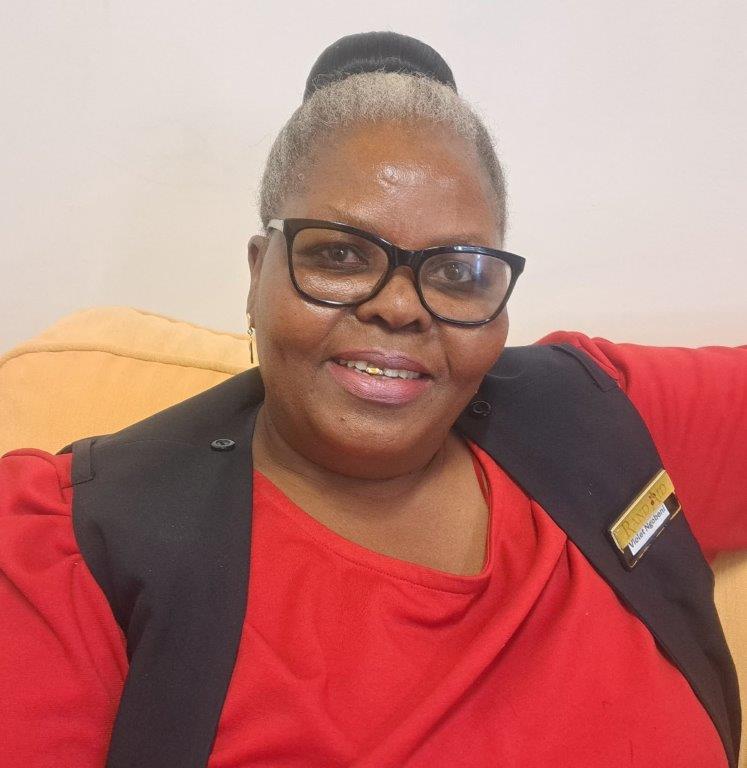
Esme van der Walt, manager of Thembalami Care Centre, says society often forgets that growing older does not diminish a person’s value.
Older people carry decades of stories, sacrifices, lessons, love, resilience and wisdom, she says, while still having dreams, hopes and passions.
“We should not only celebrate older people for what they have given in the past, but value them for who they are today.”
Hlumela Anderson, deputy manager of Elphin Lodge, similarly believes being old does not mean that life is over. Older people can continue participating in a wide range of activities, setting goals and looking forward to new experiences and opportunities.
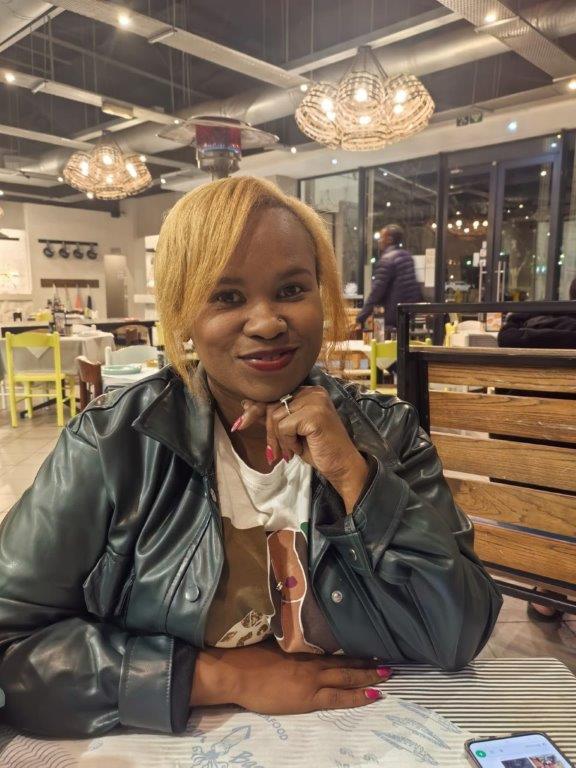
Shaun Victor, manager of Thornhill Manor, says society too often equates ageing with decline. He says many people may assume that older adults are less capable, less independent or less relevant and that their most productive years are behind them.
“But that is not what I see every day,” he says.
Older people have decades of experience, knowledge and perspective that can benefit those around them. Their value should not be measured by whether they earn an income or how physically active they are.
Ageing is a new chapter
Lynn Barrow, Tarentaal Village’s deputy manager, says the assumption that old age equals helplessness is simply wrong. Many older people still drive, use computers and manage their own mobile phones.
At the same time, she says, some older people are now expected to be increasingly tech-savvy because their children live overseas and they may have little support in South Africa.
Ultimately, Lynn says, older people want many of the same things as everyone else: To be listened to, included in decisions and treated with respect.
“They do not want you to make decisions on their behalf and to exclude them from the decision-making process.”
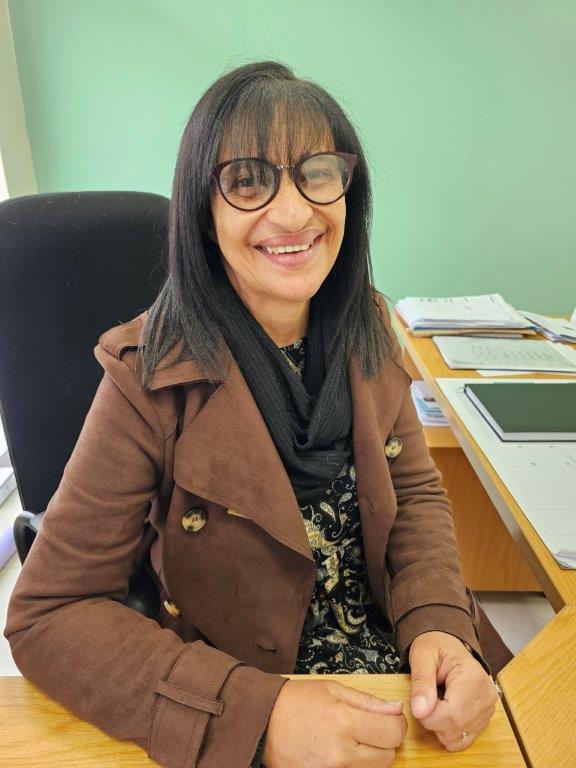
Simoné Botha, manager of occupational therapy and recreation at Ron Smith Care Centre, says growing old is a privilege, although it is not always easy.
Accepting ageing as a natural part of life can help people find peace and purpose in each stage, she says. “There is still so much to enjoy, experience, learn and contribute at every age.”