
The holiday season is often wrapped in images of family gatherings, shared meals and warm traditions. Yet behind the festive cheer lies a quieter truth: For many single residents in retirement villages, this time of year can deepen feelings of isolation and loss.
As families travel, routines change and familiar companions are absent, the weeks meant for celebration can instead become a stark reminder of who is no longer there. Members of NPO Rand Aid Association’s therapeutic team say these emotions are common, often unspoken, and deserving of far greater attention.
Social worker Karen Griessel of Thornhill Manor says that while the festive season is widely associated with togetherness, many older adults experience the opposite. “For those without nearby family, the absence of loved ones can feel especially difficult,” she explains. Loneliness does not always present as overt sadness. It can show up through anxiety, irritability or subtle changes in behaviour – skipping activities, withdrawing from conversation and losing interest in routines. Physical signs, such as shifts in sleep, appetite or personal grooming, may also signal emotional distress.
Loneliness among older adults is not uncommon. A 2025 national study of people aged 60 and over, using data from the National Income Dynamics Study, found that more than a third (37%) felt lonely at least some of the time during the week, with 4% saying they felt ‘always lonely’. These figures highlight how widespread and real this silent struggle can be.
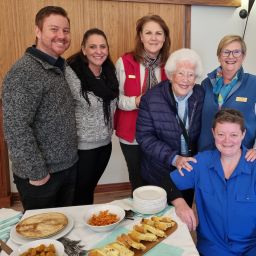
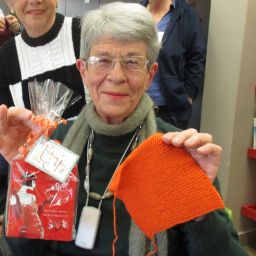
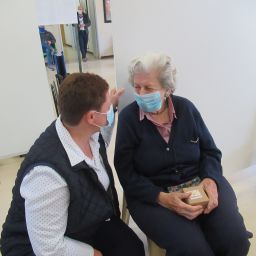
Karen says small, thoughtful gestures can make an enormous difference. One-on-one check-ins, help with video calls or simply sharing a cup of tea can reassure residents that they are seen and valued. “Even simple acts like a shared story or a festive treat can brighten a day,” she adds.
At Elphin Lodge retirement village and the Ron Smith Care Centre, social worker Nadine Radford says loneliness and social isolation are increasingly common among single residents in independent living environments – particularly those without nearby family or long-standing friends. While independence is empowering, she notes, “it can also lead to emotional distance when daily interactions depend largely on individual effort”.
Heightened feelings of isolation
Weekends and holidays can be the most difficult. Adult children often live far away or abroad, making visits infrequent and leaving residents longing for the warmth of connection or the joy of shared traditions. The festive season, with its emphasis on family, tends to sharpen these feelings.
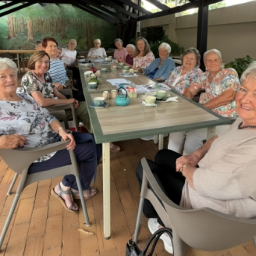
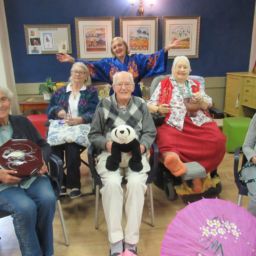
Nadine encourages residents to keep personal traditions alive, even in small ways, such as preparing a favourite dish, decorating modestly, or inviting a neighbour to reminisce. She says community-building activities such as shared meals, decorating days, sing-alongs, movie evenings or ‘holiday buddy’ systems help create a sense of belonging. “A friendly check-in or a warm conversation can remind someone that they are never truly alone,” she says.
For Lynn Barrow, the deputy manager of Tarentaal retirement village and a qualified social worker, the loneliness felt by many single residents is closely tied to bereavement. “They have spent more than half their lives with their ‘other half’, and when that person passes away, the resident is left not knowing how to pass their time,” she explains. This can lead to a sense of not fitting in, particularly among couples-based social circles. Some withdraw rather than join activities where they feel they no longer belong.
This lack of connectedness, Lynn says, can affect physical and cognitive well-being. Feelings of reduced purpose can prompt residents to isolate themselves further, reinforcing their sadness and diminishing their quality of life.
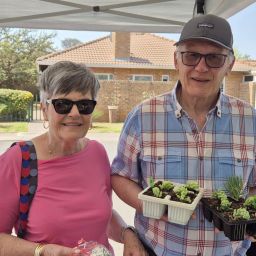
Across Rand Aid’s villages, the message from the therapeutic team is that compassion, awareness and inclusion matter. A neighbourly invitation, a shared activity or a moment of genuine conversation can be powerful antidotes to loneliness.