
Rand Aid’s centralised services play a crucial role in supporting the organisation’s ±1 350 residents across its retirement villages and care centres, ensuring efficient operations and consistent service quality. With an average of 420 permanent staff, the organisation relies on centralised storage, workshops, laundry and fleet maintenance to keep day-to-day functions running smoothly.
“In the first half of October alone, we had 42 refurbishments underway across our villages,” says John Switala, Rand Aid’s maintenance manager. “Our centralised approach allows us to manage resources efficiently while maintaining high standards across all facilities.”
Centralised services at a glance
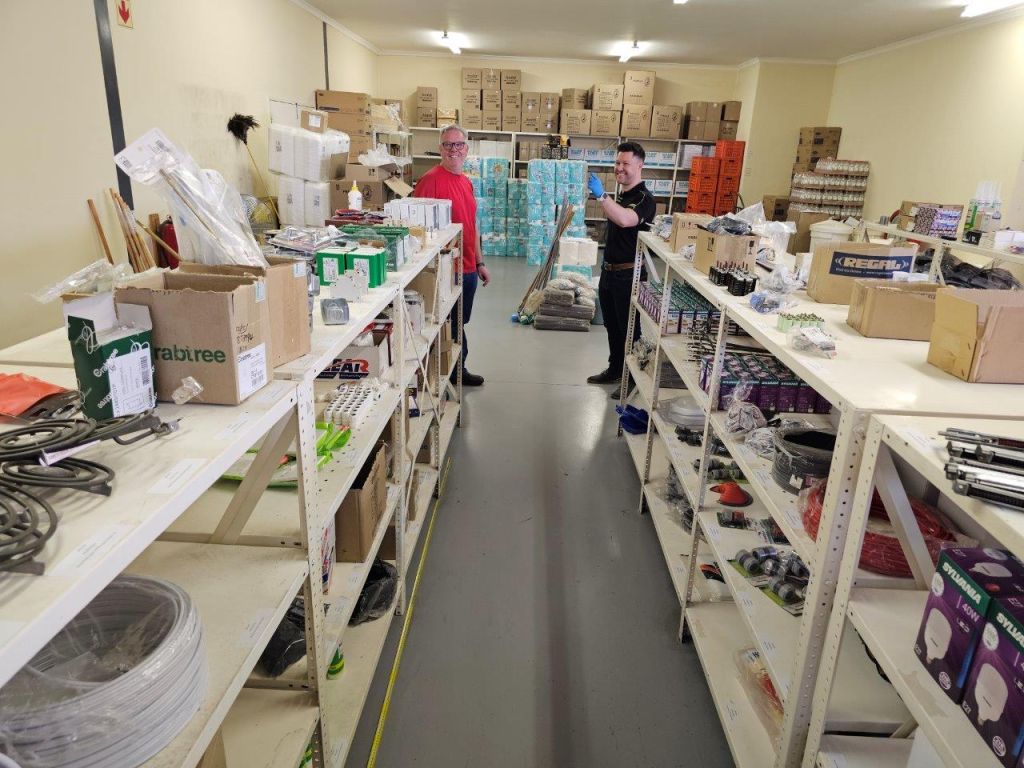
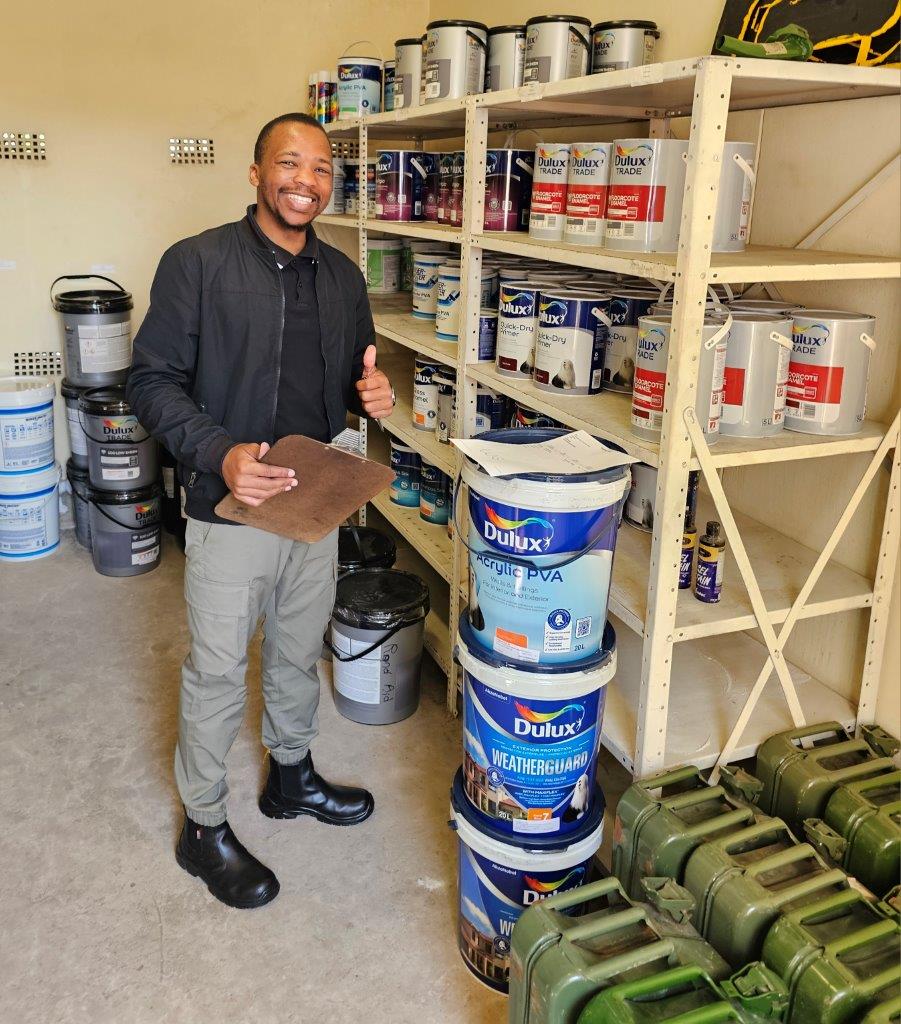
Rand Aid’s storage and warehousing functions manage general maintenance items, medical consumables, and bulk stock, such as cutlery, crockery, and linen. These are distributed to the frail care wards and the rehabilitation centre, ensuring that each facility receives supplies on time.
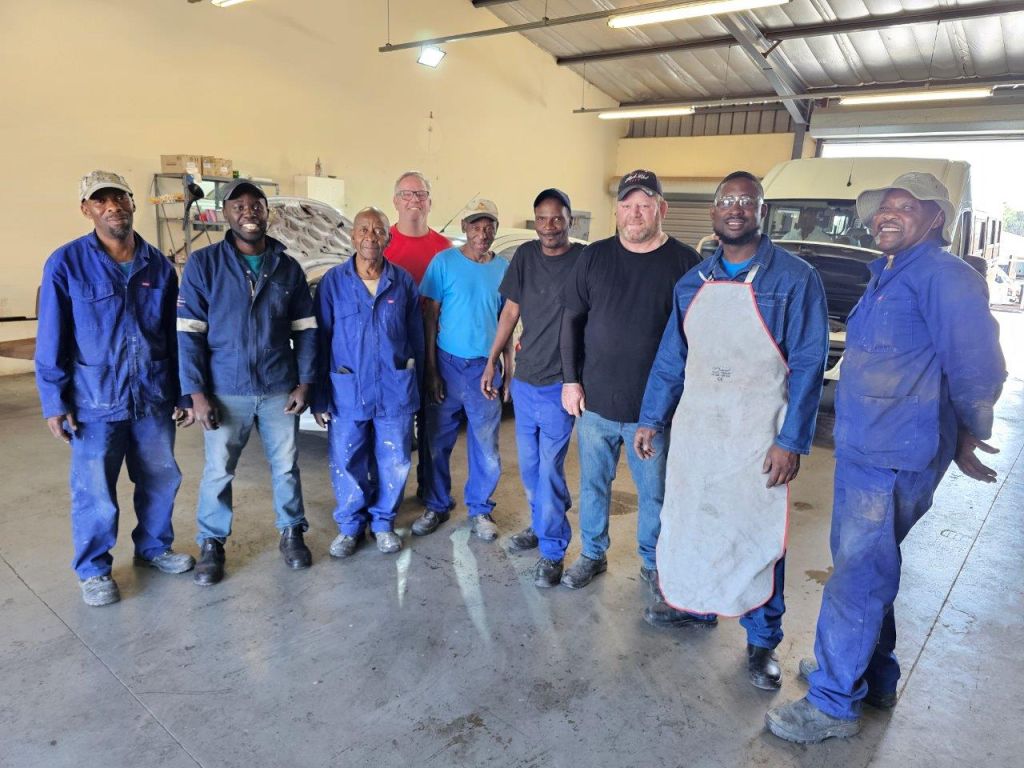
The workshops handle a wide range of repair and maintenance tasks, including carpentry, plumbing, electrical work, and other technical support. Refurbishments and renovations are carried out centrally, with 70–80% of units requiring a complete overhaul – new kitchens, bathrooms, light fittings, switches, plugs, flooring, and repainting. In 2024, 87 units were refurbished over 11 months, with each project taking roughly three months.
“Our goal is to make residents feel at home,” says Switala. “People are diverse, and while we can’t please everyone, we do our utmost to accommodate requests and maintain quality.”
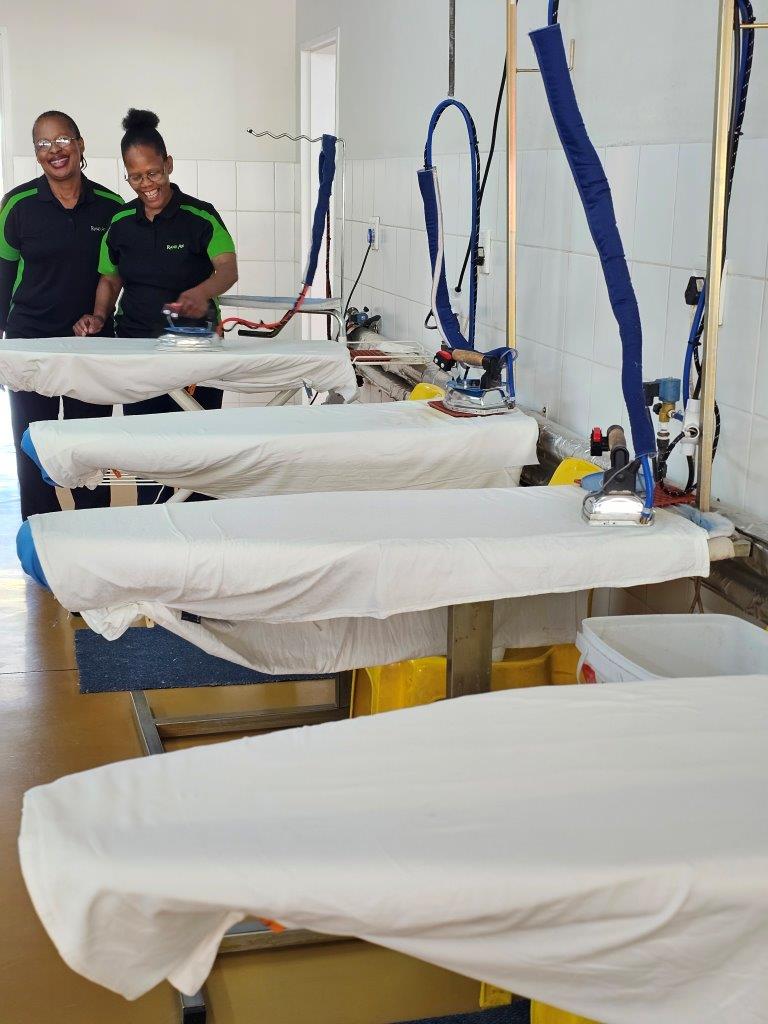
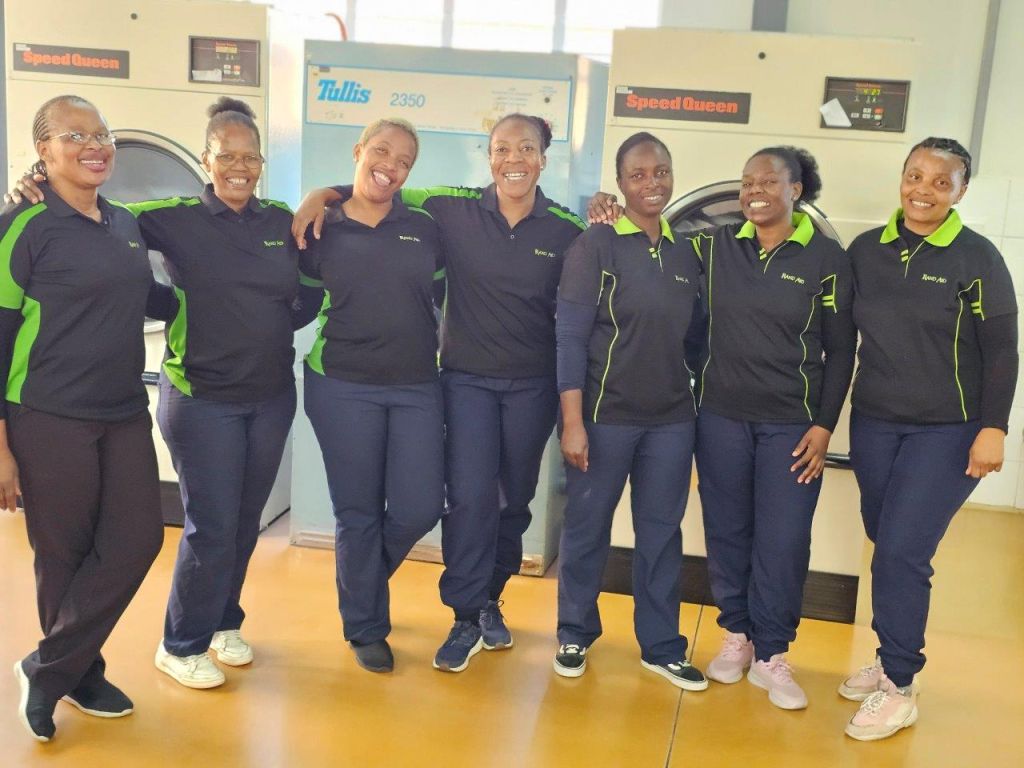
The industrial laundry service handles all linen for Ron Smith and Thembalami care centres, linen for Wedge Gardens, as well as residents’ personal laundry. Processing around 121 700kg annually – approximately 666 loads per day in household machine equivalents – the laundry operates with strict hygiene protocols and daily quality checks. Seven staff members are responsible for maintaining these standards.
Fleet and equipment maintenance keep Rand Aid’s 30 registered vehicles and eight golf carts roadworthy and reliable. All servicing and most repairs are conducted in-house, with preventative maintenance scheduled weekly. A contracted mechanic supports the team for additional repairs or emergencies. “Reliable vehicles reduce downtime, lower costs, and enhance driver morale, ultimately improving operations across our villages,” Switala notes.
Leadership and teamwork
Switala, who started at Rand Aid in 2011 and has been maintenance manager since 2019, oversees a team of assistant managers, senior and maintenance assistants, and specialised staff in stores, workshops, and laundry. Long-serving team members, such as Riaan Joubert (17 years in stores) and Peter Ralefeta (17 years in workshops), bring invaluable experience to the operation.
Staff are regularly trained and upskilled through courses such as the Ekurhuleni Artisans & Skills Training Centre programmes, scaffold building, and work-at-height safety. Switala emphasises open communication, fairness and trust as the keys to maintaining motivation and high standards.
Challenges and innovations
Managing centralised services across multiple villages presents challenges, particularly in ensuring accurate communication and consistency of service. Innovations such as improved stock control, tracking systems, and streamlined maintenance scheduling have enhanced efficiency and quality.
“The most rewarding part of my work is seeing the smiles on residents’ faces when they see the results of our refurbishments and maintenance projects,” Switala says. “Completing projects and meeting team goals gives us a strong sense of accomplishment.”
Through its centralised services, Rand Aid demonstrates how careful planning, skilled staff, and efficient processes can significantly enhance the quality of care and support for residents while reducing operational costs.