
Spring brings warmer weather, longer days and a fresh opportunity for older people to get moving – but becoming more active does not have to mean taking on a demanding exercise programme.
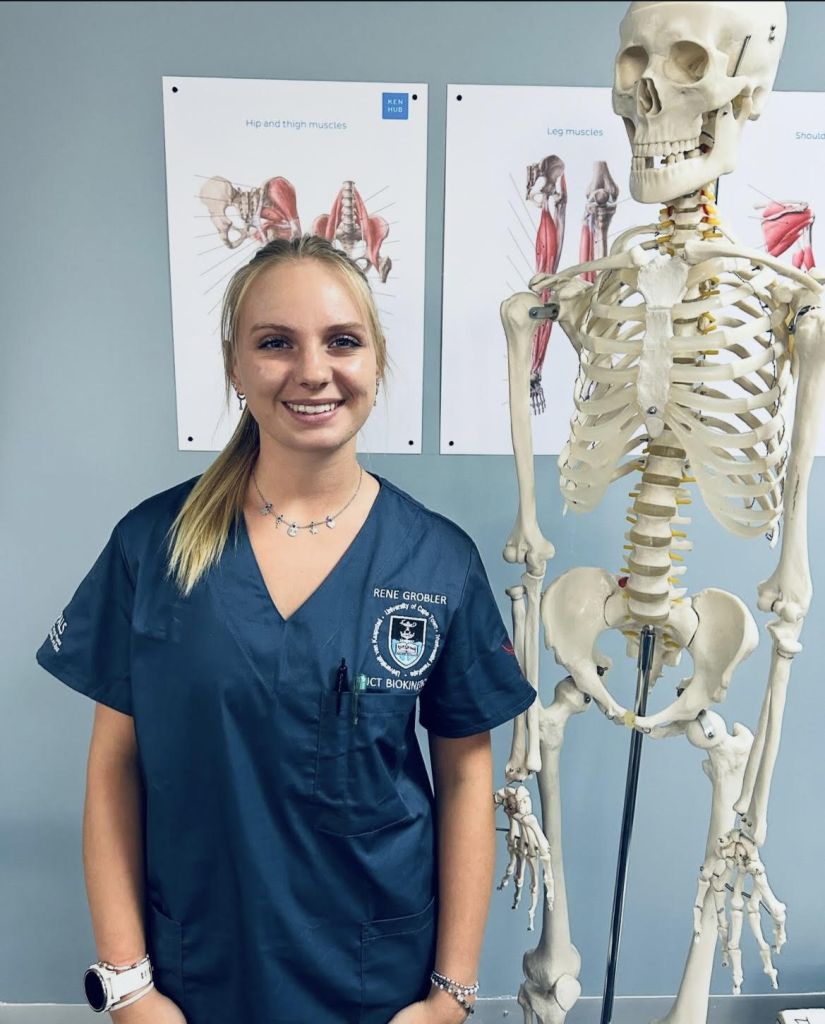
According to biokineticist Julia Wright, the change of season can provide a natural reset and an opportunity to build more movement into everyday life.
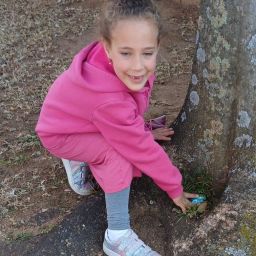
Warmer temperatures can make walking, gardening, swimming and cycling more comfortable and appealing, while exercising outdoors with friends, family or fellow residents can support mental wellbeing and reduce social isolation.
Regular physical activity can help older people maintain muscle strength, balance, flexibility and endurance – all important for mobility, independence and reducing the risk of falls.
Simple ways to move more
Residents can increase their activity without necessarily setting aside time for a formal workout. Julia suggests:
- Taking regular short walks around the village, starting with 10–15 minutes and gradually building up.
- Dancing at home or joining a dance or chair class to work on balance, co-ordination and cardiovascular fitness.
- Counting household tasks such as cleaning, cooking, hanging laundry and tidying as useful movement.
- Joining walking clubs, community exercise classes, swimming groups or social sports to combine activity with companionship.
- Doing safe, simple strength exercises with a biokineticist to maintain muscle strength and independence.
- Breaking up long periods of sitting by getting up and walking around for a few minutes every 30–60 minutes.
The benefits extend beyond physical fitness. Regular exercise can improve mood, reduce stress and anxiety, build confidence and provide a sense of achievement as people reach small, realistic goals.
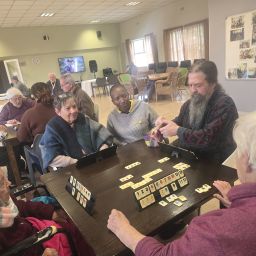
Activities involving co-ordination, balance or learning new movements can also provide mental stimulation, while group activities create opportunities for friendship and can help combat loneliness.
“Regular activity can give structure to the day and provide something enjoyable to look forward to,” says Julia.
For residents who have been less active during the colder months, Julia recommends starting slowly and prioritising consistency over intensity. A 10–15-minute walk can be a good starting point, with the duration or frequency gradually increased.
She also recommends combining aerobic activity such as walking with gentle strength, balance and flexibility exercises, and choosing activities that are enjoyable enough to become part of a regular routine.
Residents with significant mobility limitations, balance problems or chronic health conditions should consult a biokineticist before substantially increasing their activity.
Where to find Julia and her team
Julia operates at the following Rand Aid villages:
Inyoni Creek: Monday to Thursday, 07:30–17:00
Elphin: Tuesday and Thursday, 07:30–17:00
Thornhill: Thursday, 12:30–17:00
To find out more or book an appointment, contact Julia Wright Biokineticist at 011 880 4719, WhatsApp 079 834 5665 or email info@jwbio.co.za