
INTERNATIONAL DAY OF OLDER PERSONS (OCTOBER 1)
If younger people are willing to slow down and listen, some of their most valuable life lessons may already be sitting in front of them.
That is the message from residents and staff at Rand Aid Association as the International Day of Older Persons is marked on October 1.
Lara Swanepoel, a social worker at Thembalami Care Centre, says older people have taught her about resilience.
Many residents have lived through war, loss, financial hardship, illness, divorce and the deaths of loved ones, yet found ways to carry on and rebuild their lives. “They remind us that difficult times do not necessarily define us – it is how we respond to them that matters,” she says.
They also offer perspective in a world where everything is expected to happen immediately.
Lara says older people can teach younger generations that some things take time and that not every problem needs an immediate solution.
Perhaps, most importantly, she says, they demonstrate the value of human connection. Many residents say what matters most is not what they owned or achieved, but the people they loved and the relationships they built.
That message is echoed by Simoné Botha, manager of occupational therapy and recreation at Ron Smith Care Centre. “People are more important than possessions,” she says.
As people grow older, they may have to scale down their homes, possessions and even the life they once knew.
“We don’t want to realise too late that it was never really about the money or possessions, but about the connections we made, the love we shared and the kindness we gave and received.”
Make time for what matters
That perspective is something Shaun Victor, manager of Thornhill Manor, also wishes younger people would understand.
Working with older people has taught him how quickly life passes. When people are young, the future can seem almost limitless. There always seems to be time for the things they plan to do ‘one day’.
He believes younger people should build their careers, save and plan for the future – but also make sure there is a life happening along the way. “Take the trip. Spend time with people you care about. Pursue an interest that has no career benefit.”
As he puts it: “You do not realise you are living through the good old days until they have become the good old days.”
Thornhill Manor resident Joan Scott (93) knows how easily life can become consumed by responsibilities. Looking back, she recalls: “At 40 years of age with three children to raise, I would have liked to have had a little more free time for relaxing and leisure activities.”
She believes maintaining perspective is important, particularly as people grow older. While some older people may complain about everything, she says, it is important not to lose sight of the fact that life can still be enjoyed. “We are not getting old; we are just classics that require a little more maintenance,” she quips.
Amanda Diener, Rand Aid’s GM of commercial and compliance, has learnt a similarly important lesson about the difference between solving a problem and simply being there for someone.
She says her 92-year-old mother has taught her patience. Amanda admits that she can slip into ‘management mode’, wanting to solve everything, when sometimes her mother simply needs someone to listen or offer comfort rather than advice.
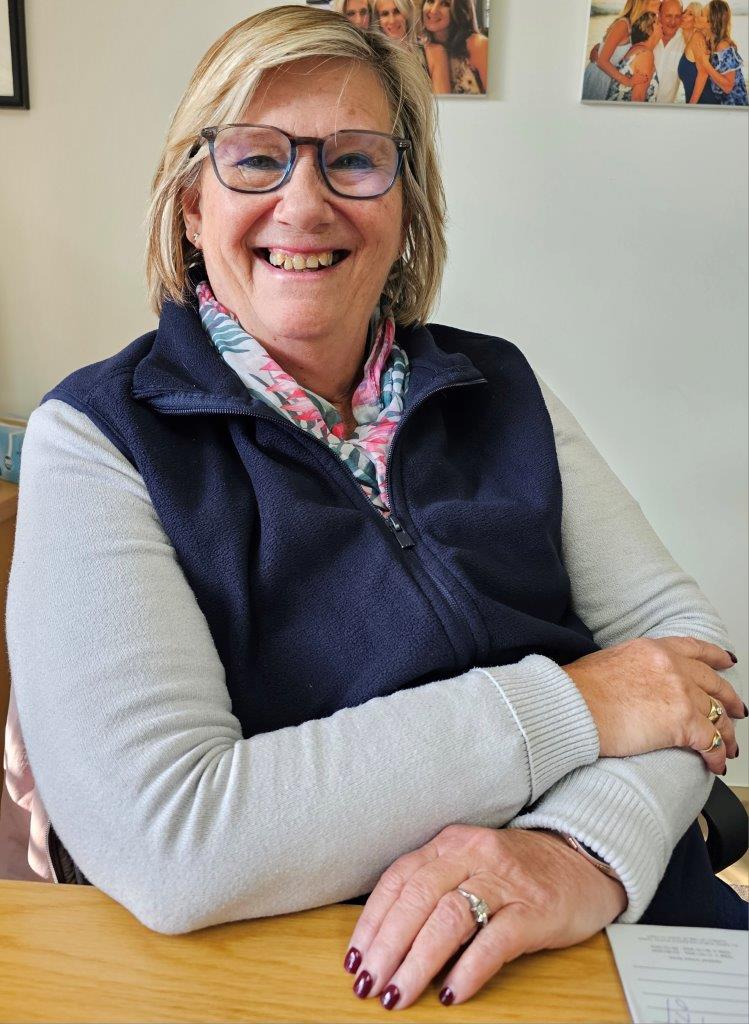
Jenny Tonkin, manager of Inyoni Creek retirement village, says listening is one of the greatest lessons she has learnt from older people. Older adults have rich life experiences and meaningful stories, she says, but are not always given the time and attention they deserve.
“Much can be learned by slowing down, showing genuine interest and allowing older people the space to share their experiences.”
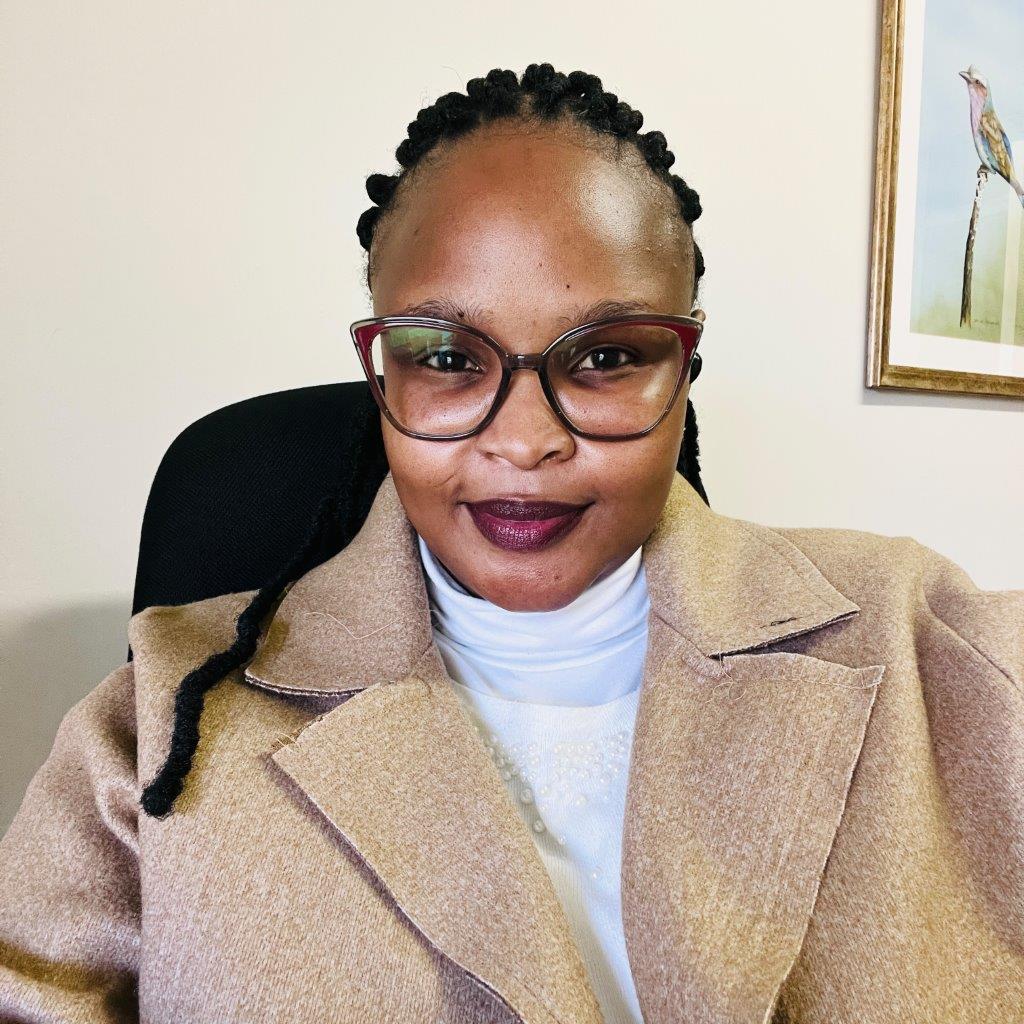
Thuli Ngoma, a social worker at Elphin Lodge, wishes younger generations understood the importance of patience and respect. Older people may do things differently or at a slower pace, she says, but that does not make their opinions or abilities less important.
Thornhill Manor resident Mike Verburg (89) similarly emphasises respect as a value that should endure across generations. Looking back on what he wishes he had known earlier, he says he wishes he had listened and learnt that respect was important, while also recognising the role of an active lifestyle. “Health is earned by being active, participating in sport and interacting with all age groups,” he says.
Accept change and keep moving
A 92-year-old Ron Smith Care Centre resident, Tilly Bryant, says patience is particularly important when older people begin to forget things.
She wishes younger people, including family members, understood that an older person may genuinely not remember something they have already been told.
Tilly remembers being the person who knew everyone’s birthdays. Now, remembering them all can sometimes be difficult.
Yet ageing has also brought her greater empathy for people who are older, ill or struggling, and she says she wants to help whenever she can.
Her own experience has taught her that accepting change is part of growing older. She cared for her mother for 23 years, until her mother died at 96, and later cared for her husband after he was diagnosed with Parkinson’s disease.
Tilly never expected that she would eventually move into a care centre herself. Although she was anxious about the move, she says it was the right decision, and she is content where she is.
She has learnt to make peace with decisions that cannot be changed and to look for the good in the people who care for her.
Helmut Gschnaidtner, an 88-year-old resident at Ron Smith Care Centre, offers another lesson: Staying active matters. Getting old is not always easy, he says, and he wishes he had started exercising and keeping fit earlier.
Life is easier when a person is fit, he says, because they are less likely to become sick or injured.
He also rejects the idea that retirement means simply relaxing and doing nothing. It is important to keep the brain and body busy, he believes.
Mike Mortimar and Sandy Greig, residents of Elphin Lodge, share a philosophical view of ageing. Getting older is part of life, they say, and people are fortunate to reach old age.
They also challenge the stereotype that older people are completely set in their ways and unable to see shades of grey.
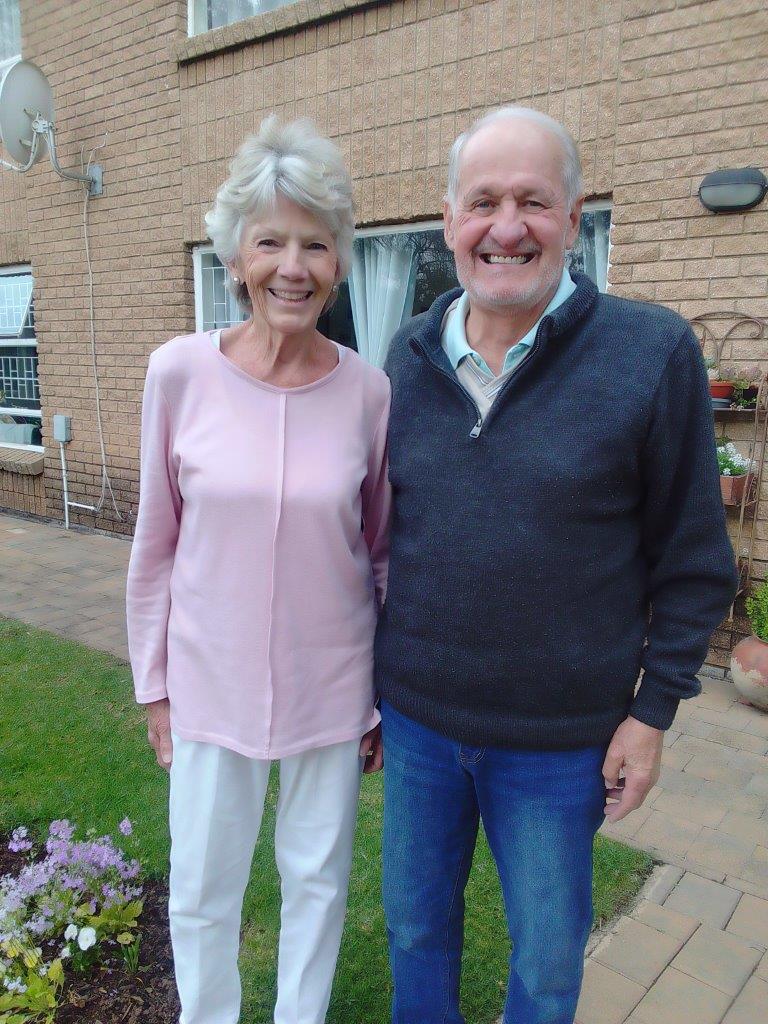
Yvonne and Len Webb, residents of Inyoni Creek, have another message for people approaching retirement: Embrace it. Getting older and retiring can be the beginning of a new chapter, they say.
They encourage people to be open to trying new things and to find a place to live where they can build a sense of community and friendship.
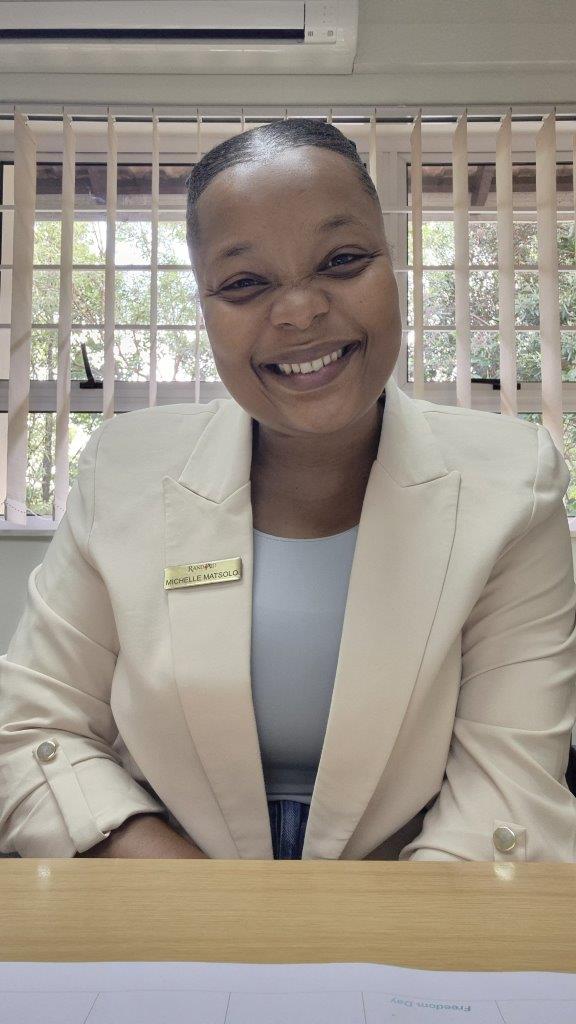
Michelle Matsolo, a social worker at Inyoni Creek, sees that attitude among residents every day. Ageing well, she says, is about continuing to live life fully, adapting to changes and finding ways to keep doing the things that bring joy and connection.
She is inspired by residents who continue to see friends, take part in physical and social activities and enjoy each day.
There is power in accepting the changes that come with ageing and adapting where necessary, she says, while continuing to get on with living.
Remember what ageing can teach us
Simoné believes younger people should also understand that growing older inevitably brings losses, such as physical abilities, work, routines, friends, siblings, partners or family members. “We cannot fully understand the losses that come with ageing until we experience them ourselves,” she adds, saying that’s why patience and empathy matter.
Staying healthy, nurturing relationships and learning to both give and receive help can all influence the experience of later life.
Lara says every older person has a whole life story behind them – a career, family, dreams, mistakes, achievements, heartbreaks and moments of joy. “When we take the time to listen, we often discover an incredible person behind the person we initially see.”