
Most people know the frustration of walking into a room only to forget why they went there, or struggling to recall the name of someone they know when life becomes especially busy.
Stress, anxiety and an overloaded schedule can all cause temporary forgetfulness by overwhelming the brain’s ability to process and retrieve information. Occasional memory lapses are also a normal part of ageing. However, repeatedly asking the same questions, struggling with everyday tasks or becoming disoriented in familiar surroundings may be signs of Alzheimer’s disease or another form of dementia.
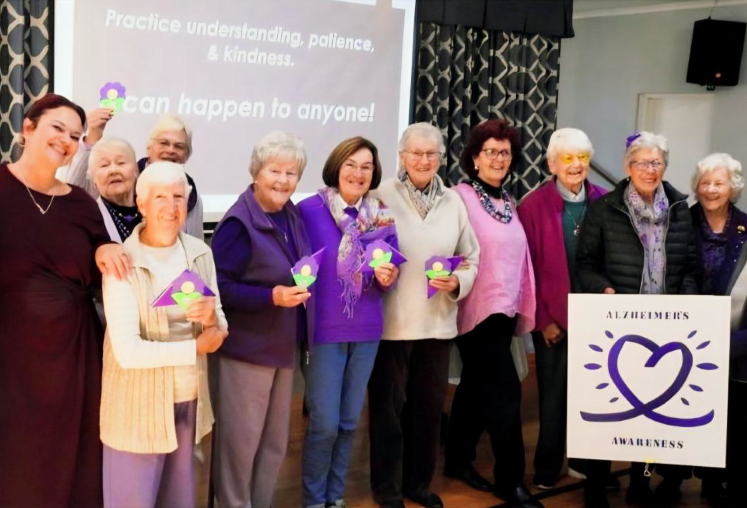
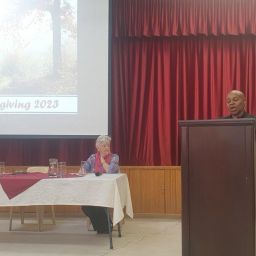
To mark the lead-up to World Alzheimer’s Day on September 21, Thornhill Manor Retirement Village social worker Karen Griessel presented an informative talk on July 30 at the village’s lotto tea to help residents better understand the disease.
She explained that Alzheimer’s disease is far more than the occasional forgetfulness associated with ageing. It is a progressive brain disorder that gradually damages brain cells, affecting memory, thinking, communication and the ability to perform everyday tasks.
The session aimed to raise awareness, deepen residents’ understanding of the disease and encourage compassion towards those living with Alzheimer’s.
“I discussed the changes that occur in the brain, including the build-up of amyloid plaques and tau tangles, which interfere with the brain’s ability to function effectively,” says Karen.
Compassion and patience needed
“One of the most important messages I wanted to share was that, behind every diagnosis, there is still a person. Alzheimer’s disease does not take away a person’s worth, identity or the life they have lived. Every individual deserves to be treated with dignity, respect, patience and kindness, regardless of the challenges they may face.”
Karen encouraged residents to make a meaningful difference through simple acts such as including people with Alzheimer’s in conversations, speaking respectfully, allowing extra time for responses and supporting their independence wherever possible.
She concluded by reminding residents that Alzheimer’s disease can affect anyone. Raising awareness helps reduce stigma, promotes earlier recognition and encourages more understanding and supportive communities.
“It was encouraging to see so many residents committed to learning more about this important topic and to creating a village where compassion and understanding are at the heart of everyday life.”