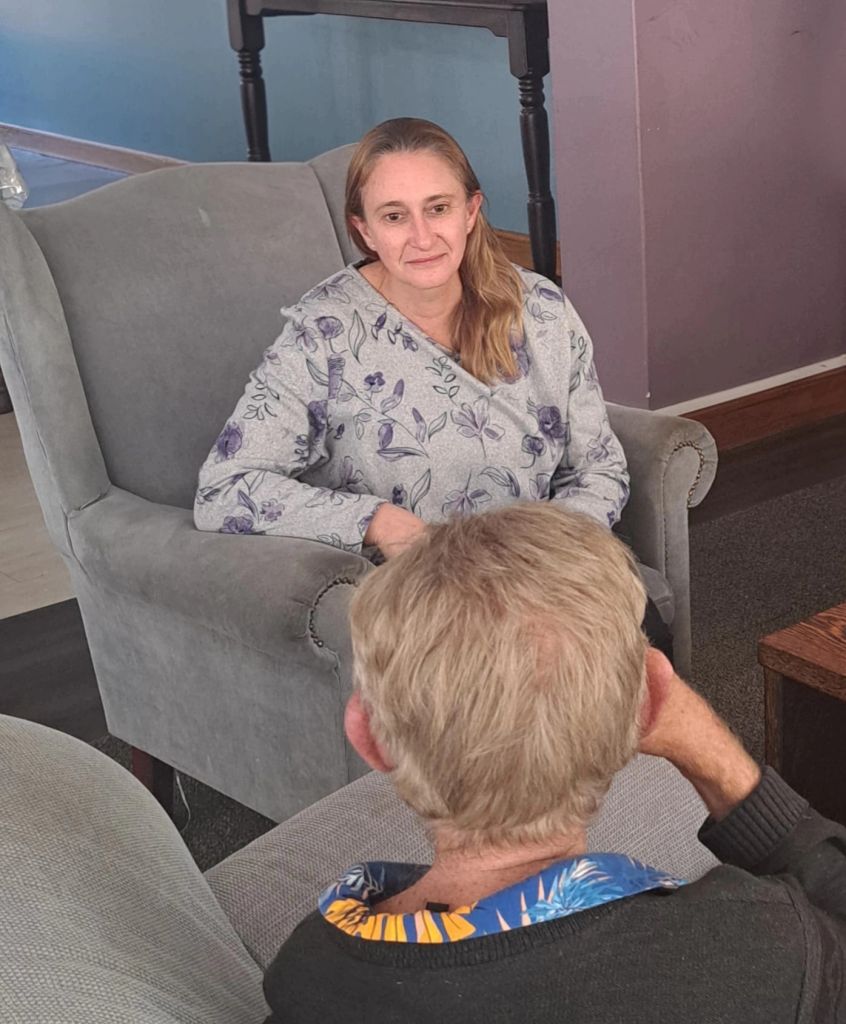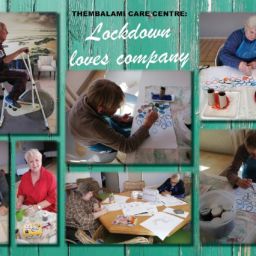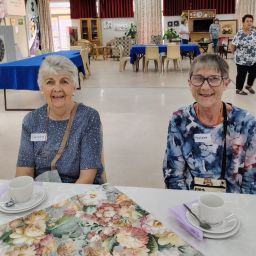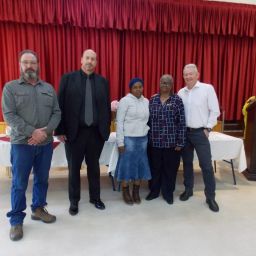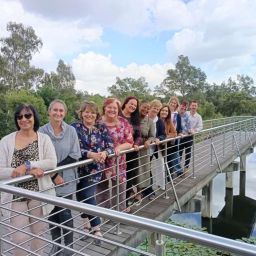

Elder abuse is often hidden, underreported and deeply damaging – affecting older persons in their homes, care facilities and communities. But according to social worker Lara Swanepoel, some of the most harmful treatments are not always obvious.
“Older persons are often treated as though they are somehow ‘less than’,” says Lara, who works at Thembalami Care Centre in the east of Johannesburg. “It is not always physical abuse. Sometimes it is the subtle ways they are undermined, ignored or disrespected.”
As World Elder Abuse Awareness Day is marked on June 15, advocates are urging communities to move beyond awareness campaigns and focus on practical action that protects vulnerable seniors and upholds their dignity and rights.
This year’s theme, ‘Beyond Awareness: Making Elder Abuse Prevention Work’, highlights the need for stronger care systems, better support services and more effective responses when abuse occurs.
Hidden forms of abuse
Elder abuse refers to any act – or failure to act – that causes harm or distress to an older person. It can include physical, emotional, financial and sexual abuse, as well as neglect.
Many older persons suffer in silence due to fear, shame, dependence on caregivers or limited access to support services. As a result, abuse often remains hidden.
Lara says abuse can also take quieter forms that gradually strip older people of their independence and dignity.
“They are often not consulted in decision-making even when they are still capable of making decisions for themselves,” she says. “It is assumed they no longer know what is best for them.”
She says older persons living with dementia or physical disabilities are particularly vulnerable to being dismissed or overlooked.
“Just because someone has dementia does not mean everything they say is imagined. Sometimes older persons really have to fight to be heard.”
Lara says caregiving can also become impersonal and task-driven.
“With ageing often comes physical disability or illness, but caregivers must separate the condition from the person,” she says. “Care can become robotic, without consideration for dignity or individuality.”
She says many older persons eventually become resigned to being ‘moved around in whatever way is most convenient for the caregiver’, rather than being treated as individuals with preferences, opinions and autonomy.
Moving from awareness to action
Lara says awareness campaigns alone are not enough to prevent abuse.
“Communities must build systems that actively prevent abuse and respond quickly when it occurs. Prevention requires co-operation between families, healthcare workers, social workers, law enforcement, government departments and community organisations,” she says.
Practical prevention strategies include strengthening reporting systems for abuse and neglect, training caregivers to recognise warning signs, improving support services for families and older persons and reducing isolation among the elderly.
“Simple actions such as checking on elderly neighbours, helping them access services and maintaining supportive social connections can significantly reduce the risk of abuse and neglect,” she says.
This year’s campaign also highlights the increased risks faced by older persons living with disabilities. Physical limitations, cognitive decline and chronic illness can increase dependence on caregivers and heighten vulnerability to mistreatment.
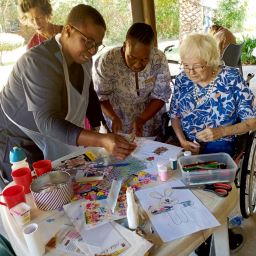
Lara says care environments should promote independence and inclusion wherever possible.
“They really are a forgotten generation with so much more to give, but we do not always give them the opportunity,” she says.
Her passion for working with older people stems partly from the close relationship she had with her own grandparents.
“They played such an important role in our lives, and we kept them active and involved well into their 90s.”
South African context
In South Africa, elder abuse remains a serious concern, particularly in communities affected by poverty, unemployment and limited access to services. Older persons are often targeted for financial exploitation, especially where pensions are the primary source of household income.
South Africa’s Older Persons Act provides a legal framework for protecting the well-being and rights of older persons, but Lara says legislation alone is not enough.
“Preventing elder abuse requires ongoing commitment, compassion, accountability and action,” she says.
“By strengthening support networks, improving care systems and promoting respect for older persons, communities can help ensure that every older person is treated with the dignity and care they deserve.”