
Recovery from addiction is often not defined by a single dramatic breakthrough but by a series of smaller turning points.
Adèl Grobbelaar, the manager of SANCA Wedge Gardens, says these turning points include admitting there is a problem, returning to routine, planning for the future and rebuilding relationships.
Ahead of International Day against Drug Abuse and Illicit Trafficking on June 26, staff at SANCA Wedge Gardens reflected on how substance use disorder and recovery have changed over the past decade and what progress looks like beyond treatment itself.
For Adèl, one of the biggest changes has been the substances clients are seeking help for.
“The substances changed dramatically over the past 10 years, even more so over the last five years,” she says.
While alcohol, dagga and nyaope once dominated admissions, patterns later shifted towards heroin and its variations before changing again.
“Nowadays, you have methamphetamine (Tik) and white pipe (mandrax and dagga) overshadowing all the other drugs of abuse.”
Adèl says the centre has also observed broader changes in the profile and needs of clients since Covid-19.
According to her, more clients have not completed school, more people are arriving with criminal records and more clients are presenting with aggression and co-occurring psychiatric conditions.
Less resilience, more aggression
“We admit more people with psychotic behaviour. Clients also tend to have less resilience to motivate themselves and stay in recovery for longer periods.”
She says trauma and peer pressure are frequently linked to addiction among clients entering treatment, and that bullying behaviour has become more noticeable.
One of the most significant developments, she says, has been the increasing overlap between addiction and mental health challenges.
“I do not think any rehabilitation centre can cope without a consulting psychiatrist.
“The client takes longer to settle into routine, and the passive aggression among them is high. We have never had the percentage of physical fighting on the premises as we have now.”
Adèl also points to closer relationships with referring social workers as a positive shift.
Clients are admitted through external social worker referrals and, after discharge, ongoing support continues outside the facility.
She says continued involvement after treatment can encourage attendance at support groups and other programmes that help maintain recovery.
From her perspective, recovery cannot be reduced to one defining moment.
“The breakthrough moment would be when a client admits to the fact that they have a substance abuse problem,” she says.
She compares that point to receiving a serious diagnosis – recognising the problem and choosing to begin treatment.
The hard work starts after rehab
“Our in-patient period is only the initial intervention; the work really starts once treatment is completed.”
According to Adèl, clients then face the challenge of reintegrating into society, rebuilding routines and learning how to manage everyday pressures.
She says substance use disorder affects behaviour patterns and that recovery often unfolds over years rather than weeks.
Routine, she says, plays an important role in that process.
Because addiction can consume time and disrupt daily life, adjusting to structure is difficult for many clients, particularly those who have spent long periods living on the streets.
Clients therefore follow schedules that include activities, lectures, therapy sessions, occupational therapy, leisure and household responsibilities.
“If someone falls out of routine, it is usually a sign of possible relapse behaviour.”
When setbacks happen, Adèl says staff work with clients to understand what contributed to relapse and identify possible triggers.
As a general rule, clients may be given one opportunity during treatment depending on the circumstances surrounding the relapse, although deliberate relapse may result in programme termination.
Heartbreaking effects of addiction
For deputy manager Dudu Morgan, recovery is often visible in moments that happen quietly over time.
Because her office is situated near detox admissions, she regularly sees the immediate effects of substance use.
“Sometimes I see the effects of substances on people when they walk in for admission. It is heartbreaking.”
Her experience has shaped how she thinks about addiction and recovery.
“I have learnt that substance use is a disease. When someone is sick, they need support, not neglect, punishment or judgement.”
Dudu says families are also affected by addiction and may benefit from support and counselling.
When asked how she recognises progress, she points to gradual changes.
“The physical change is the first one for me. Gradual self-love, grooming, good mannerisms and acknowledgement of faults.”
When tears are good
For Dudu, emotional openness can also signal internal change. “I have had the toughest men cry in my office. For me, it is a beautiful moment signalling a release of emotional bondage, acceptance and acknowledgement of trauma.”
She says another sign that someone is beginning to think beyond treatment is when conversations shift to the future.
“Most of them have heard that I am a former educator. They approach me for advice on their academic journeys, the evolution of the world of work, financial advice and how to draft a CV.
“That is indicative of the fact that they are preparing for a life or future after Wedge Gardens.”
Dudu says one of the requests that affects her most is helping clients reconnect with loved ones – although she notes that families are not always ready to reunite immediately.
For Dudu and Adèl, those smaller moments of change are often the clearest signs that recovery is beginning to take root.
* Situated in Johannesburg East, SANCA Wedge Gardens is a substance use treatment centre for men that offers a full circle recovery programme. It was founded in 1943. Call 010 534 6596 or email wedgegardens@randaid.co.za
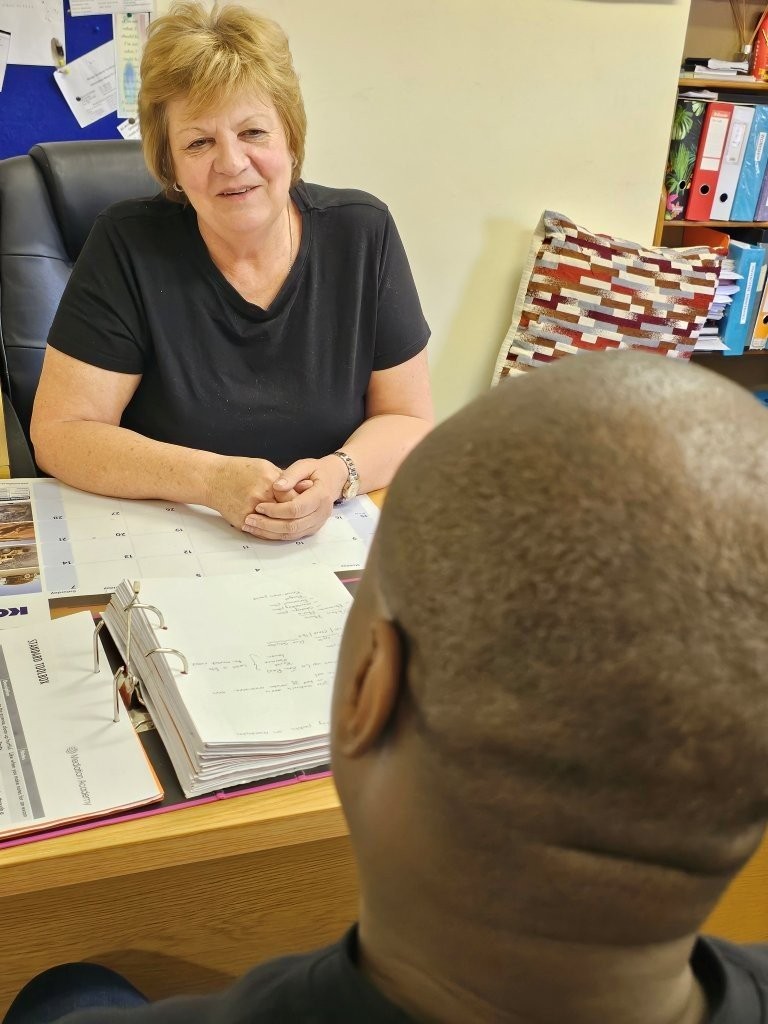
Adèl Grobbelaar, the manager of SANCA Wedge Gardens.

Dudu Morgan, SANCA Wedge Garden’s deputy manager.